How the plastic waste sorting process works
At Baidal Plastic, we work every day to transform waste into high-quality raw material, ready to return to the industry.
But what exactly happens inside a recycling plant?
How is the plastic waste sorting process carried out?
In this article, we explain it to you step by step.
Reception and initial sorting
It all begins with the arrival of plastic waste at the plant.
A large part of the material comes from post-industrial waste, ensuring greater purity at the source.
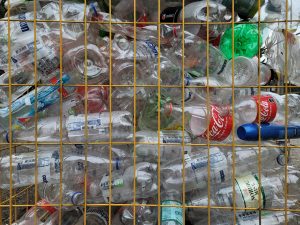
In this first phase, a visual inspection and an initial classification are carried out.
Unsuitable materials (metals, paper, organic waste) are separated, and plastics are grouped according to their general type.
This stage is key to optimizing the performance of the rest of the process.
Separation by polymer type
One of the biggest challenges in recycling is that not all plastics are the same.
There are multiple types of polymers, such as PET, polypropylene (PP), PVC, or polyethylene, each with distinct properties and specific applications.
To ensure high-quality recycling, it is essential to correctly separate these materials.
In advanced plants, this classification is carried out using technologies such as infrared sensors, optical systems, or even artificial intelligence.
Proper separation prevents mixtures that could compromise the quality of the final recycled material.
Removal of impurities
Once the plastics have been sorted, the next step is to remove any type of contamination.
This includes labels, adhesives, remnants of other materials, or dirt.

The process typically combines mechanical techniques (screening, density separation) and industrial washing.
This phase is crucial, as impurities can negatively affect the properties of the recycled plastic, reducing its value and potential applications.
Crushing and size reduction
After cleaning, the plastic waste is shredded into small pieces or flakes.
This step facilitates both its handling and its subsequent transformation.
Shredding allows the material to be homogenized and prepared for melting or extrusion.
Furthermore, it improves the energy efficiency of the process, since small particles require less energy to be processed.
Quality control and final classification
Before proceeding with the transformation, a comprehensive quality check is performed.
Here, it is verified that the material meets the standards required by the industry.
In experienced companies, this step includes technical analyses to ensure the polymer’s purity, thermal behavior, and suitability for various industrial processes (injection molding, extrusion, blow molding, etc.).
Preparation as raw material
Once the checks have been passed, the recycled plastic becomes raw material ready for reuse.
It can be supplied in the form of granules, flakes, or shredded material, depending on the customer’s needs.
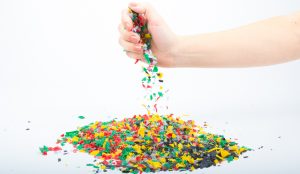
This material re-enters the production chain, helping to reduce the use of virgin resources and the environmental impact.
In fact, recycling makes it possible to transform waste into new products, closing the plastic loop within the circular economy.
Why is proper selection so important?
The quality of recycled plastic depends directly on the precision of its sorting.
A well-executed process not only improves industrial performance but also boosts customer confidence and opens up new applications for recycled material.
The process of sorting plastic waste within a plant is complex, technical, and highly specialized.
From reception to the production of recycled raw material, every stage has a direct impact on the final quality of the product.
Understanding this process not only provides transparency but also highlights the value of the work done by recycling companies.
Because behind every kilogram of recycled plastic, there is technology, knowledge, and a genuine commitment to the future of the planet.
Consult with us.