Ecological footprint. Tips to reduce it in our daily lives

Reducing our ecological footprint is possible without great sacrifices, simply by incorporating more conscious and sustainable habits into our daily routine.

Concern for the environment is no longer a passing trend, but a real necessity.

Every decision we make in our daily lives has a direct impact on the planet, from the products we buy to the way we get around or manage waste.

In this month’s blog post, we’ll give you some tips on how to reduce your ecological footprint.

Why is it important to reduce our ecological footprint?

The ecological footprint measures the impact that our activities have on natural resources.

Excessive consumption of energy, water, or materials leads to greater exploitation of the planet, accelerating problems such as climate change, loss of biodiversity, and waste accumulation.

Reducing it means living more responsibly, ensuring that future generations can enjoy a healthy environment.

Consume responsibly

One of the first steps to reducing our ecological footprint is to rethink our consumption habits.

ecological footprint

Buying only what is necessary, prioritizing durable products, and choosing quality over quantity helps to reduce the demand for resources.

Furthermore, choosing brands committed to sustainability and the circular economy has a positive effect on the entire production chain.

Reduce your use of unnecessary plastics

Single-use plastic is one of today’s major environmental challenges.

Replacing disposable bags, bottles, or containers with reusable alternatives significantly reduces waste generation.

Whenever possible, choose recyclable products or products made from recycled materials, thus promoting a more sustainable consumption model.

Save energy at home

Domestic energy consumption represents a significant part of our ecological footprint.

Small actions such as turning off lights when not in use, taking advantage of natural light, using efficient appliances, or properly regulating heating and air conditioning can lead to significant energy savings.

Additionally, unplugging devices in standby mode helps reduce invisible electricity consumption.

Use water responsibly

Water is a limited and essential resource.

Reducing shower time, turning off the tap while brushing your teeth, or using appliances with low-consumption programs are simple gestures that make a difference.

It is also advisable to reuse water whenever possible, for example, for watering plants.

Commit to more sustainable mobility

Transportation is one of the main sources of polluting emissions.

Whenever possible, it is preferable to walk, cycle or use public transport.

Carpooling, better planning of journeys or opting for more efficient vehicles also helps to reduce CO₂ emissions and the consumption of fossil fuels.

Reduce and properly separate waste

Applying the rule of reduce, reuse and recycle remains essential.

Properly separating waste makes it easier to recycle and prevents it from ending up in landfills or the natural environment.

In addition, giving a second life to objects or materials before discarding them helps to reduce the amount of waste generated.

Incorporate sustainable habits into your daily life

Beyond specific actions, adopting a sustainable mindset is key.

Getting informed, educating those around us, and being aware of the impact of our decisions helps create real and lasting change.

Every little gesture counts when it adds up to the collective effort.

A commitment to the future

Reducing our ecological footprint does not require radical changes, but rather consistency and commitment.

At Baidal Plastic we believe in the importance of moving towards more responsible models, opting for solutions that promote sustainability and the efficient use of resources.

Incorporating these tips into your daily life is a firm step towards a future that is more respectful of the environment and people.


How to interpret plastic labels and identification codes

En la industria del plástico, conocer los códigos de identificación y etiquetas de los materiales es fundamental.

For manufacturers, recyclers, and conscious consumers alike.

These codes allow identification of the type of plastic, its properties and the correct way to reuse or recycle it, avoiding confusion and improving efficiency in waste management.

In this month’s blog post, we’ll explain how to interpret these labels, their importance, and how they contribute to a sustainable circular economy.

What are plastic identification codes?

Plastic identification codes are standardized symbols.

Generally a triangle of arrows with a number inside, which indicates the type of polymer a product is made of.

This system was developed by the Plastics Industry Association and is used internationally to facilitate recycling.

Each number corresponds to a specific type of plastic:

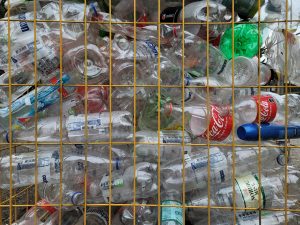
PET or PETE (Polyethylene Terephthalate)

Used in beverage bottles and food containers.

It is recyclable and widely accepted in recycling plants.

HDPE (High-density polyethylene):

Found in detergent containers, plastic bags, and some toys.

It is durable and recyclable.

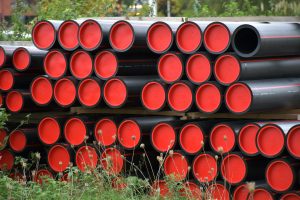
PVC (Polyvinyl chloride)

Common in pipes, linings, and cleaning containers.

Its recycling is more complex.

LDPE (Low-density polyethylene)

Supermarket bags, plastic films and flexible wrappers.

Recyclable, but not always accepted at all centers.

PP (Polypropylene)

Caps, yogurt containers and food containers.

It is heat resistant and recyclable.

PS (Polystyrene)

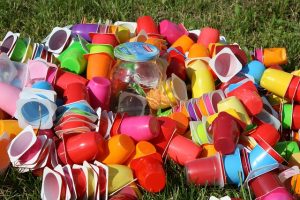
Food containers, disposable cups and packaging.

Its recycling is limited and usually requires specialized management.

Other (O or PLA)

Plastics such as polycarbonate, nylon or bioplastics.

This group is heterogeneous and its recycling depends on the specific facility.

How to read plastic labels

In addition to the number, many labels include additional information, such as:

  • Recycling symbols:

They indicate whether the packaging is suitable for recycling and under what conditions.

  • Instructions for use or safety:

For example, “food safe” or “not suitable for microwave use”.

  • Marks of origin or certification:

Some recycled plastics carry seals that guarantee their purity and traceability.

Correctly interpreting these labels allows manufacturers and recyclers to sort plastics efficiently.

This avoids the mixing of incompatible materials that could compromise the quality of the recycling.

Importance for the circular economy

Knowledge of identification codes is essential to ensure efficient and high-quality recycling.

Post-industrial plastic, carefully selected and classified according to its type, is processed while maintaining its original properties.

Ready to be reused in new products.

This reduces the need for virgin plastic and contributes to the reduction of waste and pollution.

For consumers, knowing these codes helps to properly separate household waste.

And to support responsible recycling.

In addition, it allows you to choose products made with certified recycled materials.

Promoting demand for quality reusable plastic.

Practical tips

  1. Always check the number inside the recycling triangle before disposing of a container.

  2. Check your local recycling regulations, as some types of plastic may not be accepted in your region.

  3. Look for guarantee seals if you buy recycled material, ensuring that it meets purity and safety standards.

  4. Avoid mixing different plastics when recycling, as this can hinder effective reuse.

Correctly interpreting the labels and identification codes of plastics is key to optimizing recycling, reducing waste, and promoting a sustainable circular economy.

Both manufacturers and consumers play a crucial role.

Companies can guarantee the purity and traceability of recycled plastic.

While consumers can separate and properly dispose of the packaging.

Understanding and applying these codes is a simple but vital step towards a more sustainable and efficient world in the use of plastic resources.

Differences between post-industrial and post-consumer plastics: what to recycle and how

When we talk about recycled plastic, two terms frequently appear that are important to understand: post-industrial and post-consumer.

Although both are essential to reducing environmental impact, they do not mean the same thing.

Understanding their differences helps in deciding which materials to use and how to manage them correctly in industrial projects or at home.

In today’s blog post we explain what each one is.

What is post-industrial plastic?

Post-industrial plastic comes from the waste generated during production processes.

This includes offcuts, rejected parts, extrusion or injection surpluses that did not reach the market or the end consumer.

Since it has not been used by people, this material is usually more homogeneous and cleaner.

This facilitates their reintegration into the manufacture of new parts.

This facilitates their reintegration into the manufacture of new parts.

What is post-consumer plastic?

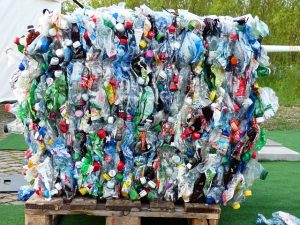
Post-consumer plastic comes from packaging, products, and waste that have already been used by consumers.

After passing through selective collection systems, these materials are sorted and prepared for recycling.

The main advantage of post-consumer plastic is that it truly closes the circular economy loop.

Transforming used materials into new products.

However, because it comes from different origins and uses, it may be more contaminated or mixed with other types of plastic.

Therefore, it requires more complex cleaning and sorting processes.

Advantages and limitations of each type of recycled plastic

Post-industrial plastic offers uniformity and traceability, since its origin and exact composition are known.

This makes it ideal for industrial applications where consistency and controlled quality are required.

Post-consumer plastic, on the other hand, provides environmental credentials and is preferred by companies that want to demonstrate a commitment to sustainability and comply with recycling regulations.

Their main challenge is the need for more careful processes to achieve quality standards similar to new or post-industrial plastic.

In terms of application, post-industrial is usually used in technical or industrial parts, while post-consumer is used both in packaging and in products where sustainability is an added value.

The choice between one or the other depends on the type of project, the traceability requirement, and the applicable regulations.

What to recycle and how to do it

For consumers, properly separating plastics is key.

Washing containers, removing food scraps, and sorting materials by type facilitates recycling and improves the quality of post-consumer material.

It is advisable to avoid multi-layered, glittery or metallized plastics, which hinder the recycling process.

In the industrial sector, post-industrial waste must be handed over to specialized managers.

These professionals ensure that the surplus materials are processed efficiently and safely, transforming them into new recycled material suitable for manufacturing.

In addition, before recycling, it is always helpful to consider reuse.

Bags, boxes, tapes, and other materials can have multiple lives if used consciously, thus reducing the amount of plastic that needs to be recycled.

Quality, traceability and certifications

For projects that demand strict quality standards, such as the food or automotive sector, it is essential to have suppliers that offer traceability and recognized certifications.

These certifications ensure that the recycled plastic meets the necessary technical and regulatory requirements and provide security for both manufacturers and consumers.

Not all recycled plastics are the same.

Post-industrial material is more uniform and easier to process.

While post-consumer waste closes the real circular economy cycle, it does require greater care in its separation and cleaning.

The choice between one or the other will depend on the end use, quality requirements, and legal obligations.

In both industry and at home, small decisions in plastic management can have a big impact on sustainability and the future of the planet.

At Baidal, we supply all types of recycled plastic materials to manufacturers of plastic products. Our plastic is free of impurities, of post-industrial origin, and comes with a quality guarantee.

Consult with us.

Sustainable return to school: how to reduce plastic in school supplies

School supplies are one of the main protagonists of the return to school season.

You have to prepare everything you need to face the new school year and buy all the necessary materials.

And inevitably, plastic waste is generated.

From backpacks to pencil cases and pens, many school supplies are made of single-use or low-durability plastic, contributing to environmental impact.

Fortunately, it’s possible to adopt sustainable habits that reduce plastic and encourage responsible education from an early age.

Choose durable and reusable school supplies

Opting for cases made of metal, wood, or durable fabric avoids the frequent purchase of disposable plastic products.

Backpacks made of fabric or recycled materials are more ecological and resistant.

Choosing durable items ensures they will last for several years, reducing waste and expenses in the long run.

Prioritize recycled or recyclable products

Look for notebooks, folders, and pens that are recyclable or made from recycled materials.

Wooden pencils and refillable pens help close the materials loop and prevent large amounts of plastic from ending up in landfills or the ocean.

Avoid single-use plastics

Replace disposable bottles, sleeves, and markers with reusable alternatives, such as stainless steel bottles and glass lunch boxes.

Many schools promote plastic-free snacks, making it easier to adopt these sustainable habits.

Teach children to take care of their equipment

Taking care of school supplies is key to prolonging their useful life.

Teaching children how to sharpen pencils properly, organize notebooks, and keep backpacks tidy fosters environmental responsibility from a young age.

Reuse and share school supplies

School supply exchanges allow notebooks, books, and pencil cases to be given a second life.

Reusing products reduces waste and teaches children the value of sharing and caring for resources.

Support sustainable brands

Choose companies committed to sustainability, that manufacture recyclable, durable products with minimal packaging.

Every responsible purchase helps reduce the ecological footprint and educates young people about conscious consumption.

Taking a sustainable approach to back-to-school is simple but impactful.

Reducing plastic, choosing durable and reusable materials, and teaching responsible habits helps protect the environment and fosters ecological awareness in younger generations.

At Baidal, we support sustainable solutions for the responsible use of plastic, starting with the school environment.

Facts about industrial plastic recycling that will surprise you

Industrial plastic recycling is a key component in moving toward a sustainable circular economy.

In today’s blog, we discuss data that demonstrates the importance and challenges of this process in the industrial sector.

Spain, a European benchmark with real industrial capacity

Spain leads Europe in installed plastics recycling capacity, with more than 2.2 million tons per year.

Ranked second after Germany and notable for its population per capita.

This industrial infrastructure is crucial for transforming waste into valuable resources within the industry.

Growing domestic recycling: indirect injection into industry

Although the focus is industrial, domestic recycling influences the demand for recycled raw materials.

In 2024, Ecoembes managed the recycling of more than 1.56 million tons of household packaging.

A historic record that represents 5.4% growth compared to 2023.

A historic record that represents 5.4% growth compared to 2023.

These figures demonstrate a social commitment that fuels the industrial recycling cycle.

Sectoral innovation and sustainability on the rise

The Spanish Plastics Industry Strategy strengthens the use of recycled plastic, eco-design, and decarbonization through electrification and renewable energy.

Furthermore, it stands out for promoting both mechanical and chemical processes, and is committed to traceability through technologies such as blockchain.

At the 4th ANARPLA Congress, an installed recycling capacity of 2,227 kt was reported, managed by 160 companies and 185 active facilities.

Government impetus and citizen awareness

Despite progress, the yellow container shows persistent difficulties.

In 2023, only 41.3% of plastic bottles were recycled, well below the target of 70% by 2025.

This reinforces the need for a deposit, return, and refund system (DRRS).

Facts to keep in mind regarding industrial plastic recycling

  • Actual capacity:

Spain not only has the capacity, it is using it.

  • Cutting-edge technology:

Projects like pyrolysis in Huelva represent a leap forward in chemical recycling and the recovery of difficult-to-use plastics.

  • Volume on the rise:

Domestic recycling continues to grow, generating more recycled raw materials to re-enter production processes.

  • Strategic drive:

The national strategy, with investments in R&D&I and sustainability, consolidates an industrial vision aligned with climate neutrality.

  • Education and legislation united:

Innovations such as reward systems and the possible implementation of the SDDR reflect an evolving dynamic, where citizenship and politics mutually reinforce each other.

Positive impact of industrial plastic recycling

Energy savings and reduction of raw materials

Using recycled plastic means less oil and natural gas consumption and requires less energy than producing it from scratch.

Quality of post-industrial plastic

Post-industrial plastic is usually highly pure and suitable for reincorporation into the same production process or transformation into new products.

Thus avoiding unnecessary waste.

Circular economy and pollution reduction

Reusing industrial plastics promotes the circular economy and drastically reduces the environmental impact of waste.

Challenges and solutions to promote industrial plastic recycling

  • Material contamination:

The presence of impurities makes recycling difficult.

Implementing source separation strategies is crucial.

  • High logistics and technological costs:

The complexity of transportation and storage raises prices.

Optimizing the logistics chain and taking advantage of incentives can make all the difference.

  • Variability in the properties of recycled material:

This limits its use in demanding processes.

However, new bio-inspired designs are reducing this variability by up to 90%.

  • Insufficient regulation and eco-design:

Promoting clear standards and sustainable design practices would allow for a qualitative leap in industrial recycling.

Industrial plastic recycling has the potential to transform the plastics industry, generating environmental and economic benefits.

However, achieving a circular economy requires addressing technical, logistical, and regulatory challenges.

At Baidal, we believe that reporting with solid data is the first step in driving change.


Tips for better recycling in summer

It’s the middle of summer and you’re probably enjoying a well-deserved vacation.

And while we should have fun on our days off, we shouldn’t let our recycling get slack.

Summer is one of the times of year when we generate the most waste: bottles, containers, bags, disposable utensils…

All of this can have a huge impact on the environment if we don’t recycle properly.

At Baidal, as specialists in plastics recycling and processing, we want to help you recycle better during the warmer months.

Because every small gesture counts in building a more sustainable future.

Why is it more important to recycle in the summer?

During the summer, outdoor activities, travel, fast food, and the use of single-use products increase.

Consumption of cold drinks and packaged foods is also increasing, significantly increasing the amount of plastic waste.

If not managed properly, these wastes end up on beaches, rivers, forests, or in landfills, polluting our natural environment.

Therefore, adopting good recycling habits in the summer is not only important, it’s necessary.

7 practical tips for recycling better in summer

At Baidal, we want recycling to be easy, convenient, and part of your routine, even on vacation.

Here are some tips you can apply starting today:

1. Learn about local containers

If you’re on vacation in another city or country, check how the local recycling system works.

Colors and categories may vary.

Having this information on hand prevents errors and ensures that your waste is recycled correctly.

2. Always carry a bag to separate waste

Whether at the beach, in the mountains, or at a barbecue, have a bag handy for plastic, cans, or paper.

Separating waste at the time makes it much easier to recycle later.

3. Avoid the use of single-use plastics

Reusable bottles, bamboo cutlery, Tupperware, and cloth bags are excellent options for reducing waste.

At Baidal, we work every day to give plastic a second life, but the most sustainable option is always to reduce its consumption.

4. Clean containers before throwing them away

A common mistake is to throw away dirty containers or containers with food leftovers.

This can contaminate other recyclable materials.

A quick rinse is all it takes to ensure proper sorting.

5. Recycle outside the home too

Many people think that recycling is only done at home.

But more and more public spaces (beaches, parks, shopping centers) have separate containers.

Use them and set an example.

6. Be a conscious consumer

Choose products with recyclable or biodegradable packaging.

Check the labels and choose brands that support recycling and the circular economy.

7. Educate and share

If you have children or are with friends, talk about the importance of recycling. Involving others and encouraging sustainable habits multiplies the positive impact.

Recycling and circular economy

At Baidal, we are dedicated to the recovery and transformation of plastics to give them a new useful life.

We work with industries, distributors, and manufacturers that focus on high-quality recycled materials and a more environmentally friendly production model.

We promote responsible practices that help reduce the environmental footprint.

We turn waste into resources, closing the plastic cycle with technology, innovation, and environmental commitment.

🌱 Together, we’re giving plastic a second chance.


What is traceability in recycling and why is it important for manufacturers?

One of the key concepts that has gained great relevance in the circular economy is traceability in recycling.

But what does this term really mean, and why has it become essential for companies working with recycled materials like plastic?

What is traceability in recycling?

Traceability in recycling refers to the ability to track recycled materials throughout the entire value chain.

From its origin as waste, through the collection, classification, and transformation process, to its reincorporation as a raw material in new products.

In other words, it is the process that allows us to verify the origin, type, quantity, and treatment of recycled materials.

This ensures that they come from sustainable sources and have been processed in accordance with environmental and quality regulations.

Why is it important for manufacturers?

Traceability is not only a technical tool, but also a strategic element for manufacturers for several reasons:

1. Regulatory compliance

More and more countries and regions are requiring companies to demonstrate the use of certified recycled materials in their products.

Traceability allows manufacturers to comply with local and international regulations.

Such as European regulations on the circular economy or the sustainability requirements of large supply chains.

2. Transparency and trust

Consumers are more aware than ever of the environmental impact of the products they buy.

Having a traceability system allows manufacturers to transparently communicate their commitment to recycling.

Adding value to your brand and building trust in the market.

3. Quality control

Knowing exactly where recycled material comes from and how it has been treated helps maintain consistent quality standards in final products.

This is especially important in industries such as automotive, construction, and food packaging, where safety and durability are key.

4. Process optimization

Traceability also allows companies to analyze their supply chain, identify bottlenecks, and make informed decisions to improve efficiency and reduce costs.

5. Competitive advantage

In a business environment where sustainability is a differentiating value, implementing traceability in recycling positions companies as responsible and innovative leaders.

Which can translate into new business opportunities and strategic partnerships.

How is traceability implemented in plastics recycling?

Effective traceability requires the use of standardized technology and processes. This includes:

  • Labeling and coding of materials during the collection and separation process.

  • Digital tracking systems, such as ERP software, blockchain, or specific platforms for environmental traceability.

  • Third-party certification that guarantees the transparency of the process.

  • Collaboration with trusted suppliers, such as BPL Plastic, that ensure the quality and sustainability of recycled materials.

At Baidal, we understand that traceability is essential to building a more sustainable future.

That’s why we offer our customers recycled plastics through controlled, auditable, and certified processes that guarantee both quality and regulatory compliance.

Traceability in recycling is not a passing fad; it’s a pillar of the circular economy and a key tool for manufacturers to respond to demands for sustainability, quality, and transparency.

Adopting it is not only an ethical and legal obligation, but also an opportunity to innovate, differentiate ourselves, and lead the change toward a more responsible industry.

Recycled Plastic vs. Recyclable Plastic: What’s the Difference?

Plastic remains one of the most widely used and debated materials.

Terms like “recycled plastic” and “recyclable plastic” often cause confusion.

Although they sound similar, they do not mean the same thing and have very different implications for the environment.

If you want to better understand these concepts and how they affect our consumer decisions, continue reading our blog.

What is Recyclable Plastic?

Recyclable plastic is plastic that has the potential to be recycled.

That is, it can be processed to become a new product or material.

However, just because a plastic is recyclable does not guarantee that it will actually be recycled.

Some factors that influence its recyclability include:

Plastic type:

Not all plastics are equally recyclable.

The most commonly recycled are PET (water bottles) and HDPE (detergent containers).

Recycling infrastructure:

If there are no adequate recycling centers or if plastic is not collected effectively, it will end up in landfills or in the environment.

Cleaning conditions:

Plastics that are dirty or contaminated with food residue, oil, or other materials may be rejected by recycling plants.

🔹 Examples of recyclable plastics:

Soft drink bottles (PET), milk containers (HDPE), yogurt containers (PP), some packaging plastics.

What is Recycled Plastic?

Recycled plastic is plastic that has already gone through a recycling process and has been reused to make new products.

That is, it is not only recyclable, but it has already been recycled and turned into something new.

Using recycled plastic has important benefits, such as:

♻️ Reduction in the use of virgin plastic

Demand for oil and other natural resources used to make new plastic is decreasing.

♻️ Less waste in landfills and oceans

Help reduce the amount of plastic that ends up polluting the planet.

♻️ Smaller carbon footprint

The manufacturing process with recycled plastic typically requires less energy than producing new plastic.

🔹 Examples of recycled plastic:

Clothing made from recycled PET bottles, street furniture made from recycled plastic, and packaging that indicates it has been manufactured with “X% recycled material.”

Which is Better for the Environment?

The answer depends on several factors, but generally speaking, recycled plastic has a more positive environmental impact than recyclable plastic.

  • Recyclable plastic that isn’t recycled ends up in landfills or the ocean, where it can take hundreds of years to degrade.

  • Recycled plastic has already been reused, reducing the need to produce more virgin plastic.

However, recycling is not the only solution.

It’s also essential to reduce the use of single-use plastics and promote more sustainable alternatives, such as biodegradable or reusable packaging.

Although the terms “recycled plastic” and “recyclable plastic” may seem similar, they have key differences.

A recyclable plastic has the potential to be recycled, but this depends on factors such as recycling infrastructure and cleaning.

On the other hand, recycled plastic has already been processed and reused, which reduces its environmental impact.

To contribute to a more sustainable world, it’s not enough to simply choose recyclable plastics.

We must ensure that they are actually recycled and encourage the use of recycled materials.

Furthermore, the best option will always be to reduce the consumption of unnecessary plastics and opt for more environmentally friendly alternatives.

Benefits of recycling post-industrial plastic

Recycling plastic is one of the most effective strategies to reduce pollution and promote sustainability in the industry.

Post-industrial plastic has become a key resource for many companies seeking to minimize their environmental impact and optimize their production processes.

In today’s blog we talk about the main benefits of recycling post-industrial plastic and its importance for the future of the planet.

What is post-industrial plastic?

Post-industrial plastic (PIR) comes from waste generated in factories and manufacturing processes before products reach the final consumer.

post-industrial plastic

Unlike post-consumer plastic, which is recycled after it has been used, post-industrial plastic is easier to recover because it has not been contaminated with other materials.

Examples of post-industrial plastic include:

  • Manufacturing offcuts and scrap.
  • Defective or surplus materials.
  • Mold and extrusion residues in production.

Reducing waste in landfills

One of the main benefits of recycling post-industrial plastic is the reduction of waste ending up in landfills.

The industry generates tons of plastic every day.

And if these materials are not recycled, they can take hundreds of years to decompose.

By recycling this waste, landfills are not saturated and environmental pollution is reduced.

In addition, greenhouse gas emissions associated with the decomposition of plastic in unsuitable environments are reduced.

Saving natural resources

Plastic is primarily made from petroleum and natural gas.

These resources are non-renewable and their extraction and processing have a high environmental impact.

Post-industrial plastic recycling allows existing materials to be reused, reducing the demand for new raw materials.

This not only contributes to the conservation of natural resources, but also reduces energy consumption in the production of new plastics.

Lower energy consumption in production

Recycling post-industrial plastic requires less energy compared to manufacturing virgin plastic.

According to various studies, the use of recycled plastic in production can reduce energy consumption by up to 70% in some cases.

Lower energy consumption means:
– Lower costs for companies.
– Less dependence on fossil fuels.
– Less carbon emissions in the production process.

Promoting the circular economy

Recycling post-industrial plastic is a key practice within the circular economy.

A model that seeks to reduce waste and extend the useful life of materials.

Instead of throwing away plastics after their initial use, companies can reintroduce them into the production cycle, creating a more efficient and sustainable system.

This generates multiple economic and environmental benefits, such as:

  • Reduction of production costs.
  • Creation of new business models based on reuse.
  • Greater independence from virgin raw materials.

Compliance with environmental regulations

More and more governments and international organizations are imposing strict regulations on the management of plastic waste.

Companies that implement post-industrial plastic recycling can comply with environmental regulations.

And in this way, avoid sanctions or taxes related to pollution.

Additionally, many companies that recycle plastic can obtain sustainability certifications.

Which improves their reputation and makes them more attractive to customers and business partners.

Innovation in new recycled materials

Post-industrial plastic recycling drives innovation in the industry, enabling the development of high-quality recycled materials.

Nowadays, there are recycled plastics that retain the same mechanical and chemical properties as virgin plastics, allowing their use in sectors such as:

  • Automotive
  • Sustainable packaging.
  • Construction
  • Textile industry (recycled synthetic fabrics).

Thanks to these advances, recycled plastic has become a viable and efficient alternative in many industrial sectors.

Improvement of corporate image

Companies that implement recycling and sustainability policies gain consumer preference.

In a world where environmental awareness is on the rise, brands that opt ​​for recycled materials can strengthen their reputation and differentiate themselves from the competition.

Consumers increasingly value companies that are committed to the environment, which translates into greater loyalty and trust in the brand.

Recycling post-industrial plastic is not only a sustainable practice, but also provides economic, energy and strategic benefits for companies.

From reducing waste to saving resources and complying with regulations, this process is key to moving towards a more circular and efficient economy.

The industry has the opportunity to transform recycling into a competitive advantage by adopting innovative technologies and promoting responsible practices.

The future of plastic depends on how we manage it today, and post-industrial recycling is a big step in the right direction.

Plastic recycling helps reduce pollution in marine life

Plastic has become one of the biggest environmental problems of our time. As the amounts of plastic waste in the oceans increase, marine life is severely affected. The effects of plastic pollution in the oceans threaten the biodiversity and health of aquatic ecosystems. Fortunately, plastic recycling can be a key tool to mitigate this damage. In this month’s article we talk about the impact of plastic on the oceans and how recycling can help in this situation.

The Threat of Plastic to Marine Life

Every year, millions of tons of plastic end up in the oceans. This highly resistant material can take hundreds of years to completely decompose. Meanwhile, it fragments into smaller pieces, known as microplastics. These tiny particles are ingested by fish and other marine species, causing health problems and, in many cases, death.

Animals like turtles and dolphins often mistake plastic bags and other waste for food. By ingesting these plastics, their digestive systems become clogged. This prevents them from eating properly and eventually leads them to starve to death. Seabirds are also victims of this pollution, as they often collect pieces of floating plastic thinking it is food for their young. The marine food chain is compromised when predators ingest animals contaminated with microplastics.

This affects all marine biodiversity and, ultimately, humans who consume seafood. Plastic pollution in the oceans thus represents a threat not only to marine ecosystems, but also to human health.

Plastic Recycling: A Sustainable Solution

Faced with this serious problem, plastic recycling is presented as a solution. By recycling plastic, we prevent these materials from ending up in the seas. Additionally, recycling reduces the need to produce more plastic, which reduces oil consumption and greenhouse gas emissions related to its manufacturing. At an individual level, we can contribute to plastic recycling through small actions.

We must correctly classify our waste and use recycling points. It is important to remember that recycling not only reduces pollution, but also allows plastic to be turned into new products, such as clothing, furniture and packaging. In this way, the demand for natural resources is reduced and the extraction of raw materials is reduced. This aspect is key to preserving ecosystems and reducing greenhouse gas emissions. In addition, recycling promotes the circular economy, in which materials are reused and reincorporated into the production cycle, instead of being discarded. This not only contributes to a more responsible and sustainable consumption model. But it also generates employment opportunities in the recycling industry and in the development of technologies for waste treatment. By giving new life to materials such as plastic, we contribute to a more efficient use of resources. At the same time we promote a cleaner and more habitable planet for future generations.

Commitment is everything

Therefore, it is essential that we all commit to recycling and reducing our consumption of single-use plastics. With small daily actions, such as separating waste at home and choosing products made from recycled materials, each of us can be part of the change towards a more sustainable future.